
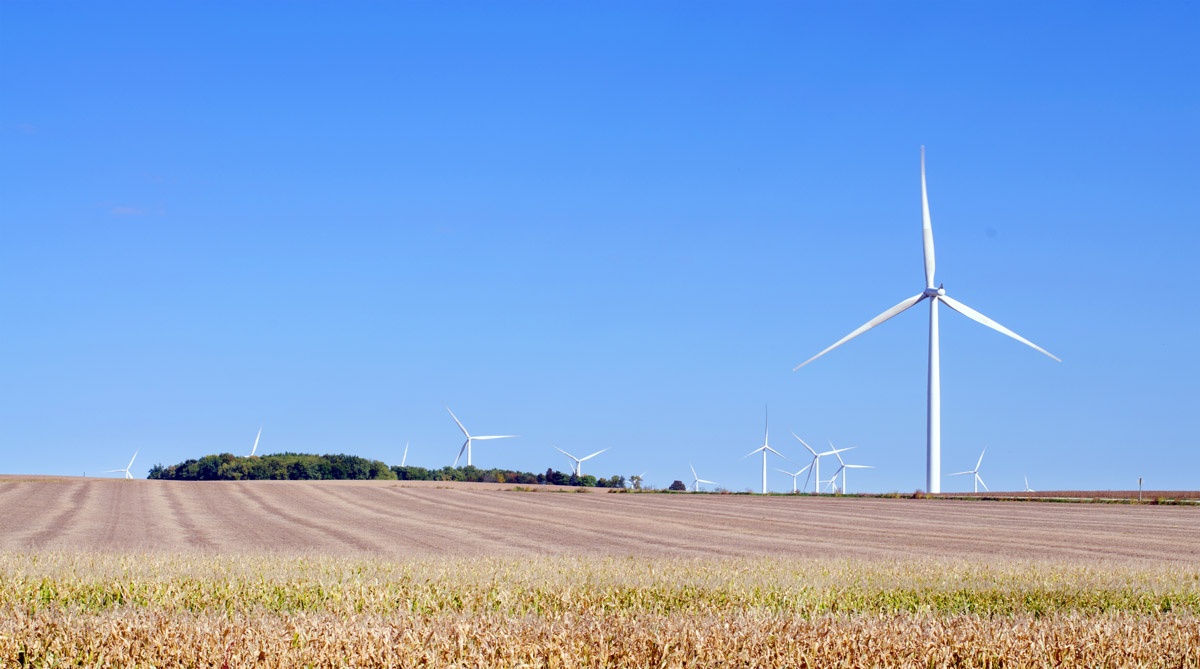
The Minnesota Senate's energy omnibus bill brings Minnesota closer to meeting our 2040 clean energy standard by using the Renewable Development Account to support efforts in electrification and decarbonization of the energy sector. That's just one of the reasons we support it.
The bill also includes funding for several geothermal projects, further supports microgrid research at the University of St. Thomas, kickstarts the development of a Minnesota-made green ammonia, and expands the low-income home energy assistance program.
Read the letter we submitted in support of the Senate's clean energy omnibus bill:
———
April 30, 2026
Chair Marty and members of the Senate Finance Committee,
Conservation Minnesota urges your support for SF4504 (Frentz) and the critical investments
this bill makes in Minnesota’s clean energy future. This legislation brings us closer to meeting
our 2040 clean energy standard by using the Renewable Development Account to support
efforts in electrification and decarbonization of the energy sector.
This bill includes funding for several geothermal projects, including at Macalester College and
the Como Park Zoo, which provide heating and cooling at a reliable baseload through residual
heat from the ground. It also further supports microgrid research at the University of St.
Thomas, which explores the future of distributed energy and provides vital job training to the
workers who will advance our electrification goals. Lastly, it provides a kickstart to the
development of a Minnesota-made green ammonia, which will provide a cleaner input for our
farmers by utilizing residual wind energy, and promote work and growth in greater Minnesota.
While this spending alone would be worthy of your vote, there are several other policy changes
in this bill which will greatly benefit Minnesotans. Through an expansion of the low-income
home energy assistance program, also called LIHEAP, it provides critical assistance to
Minnesotans facing increasing utility bills. Enabling utilities to offer service via thermal energy
network unlocks a crucial piece of the carbon-free puzzle, allowing for neighborhood-scale
electrification and increasing access to these clean energy resources by providing transition
services at scale.
As the importance of clean, reliable, and affordable energy alternatives becomes increasingly
apparent, we see these as important investments into present and future solutions. We thank
Chair Frentz and the Senate Energy Committee for putting together a strong omnibus bill that
recognizes both the needs and the opportunities for our energy system and strongly support
SF4504 (Frentz).
Sincerely,
Nels Paulsen
Policy Director
nels@conservationminnesota.org
James Lehner
Policy Associate
james@conservationminnesota.org